100 Level Courses
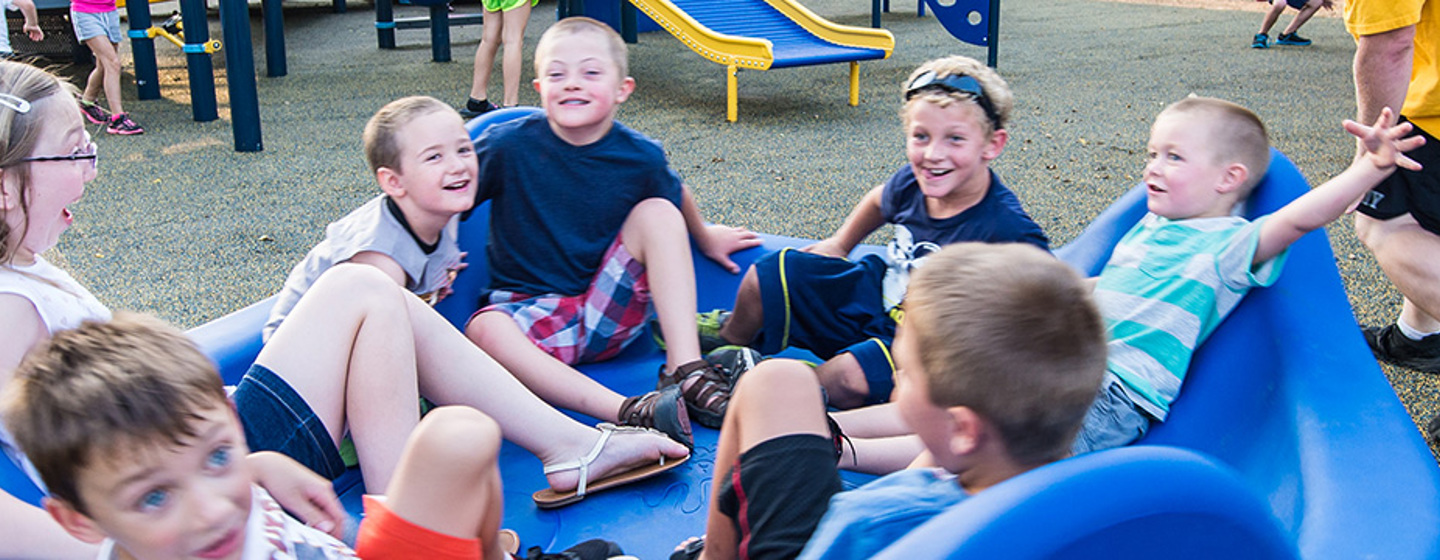
Host one of our Learning Academy sessions virtually!
We are proud to offer 100-level continuing education seminars to professionals looking to increase their expertise in the areas of playground design, inclusivity and safety.
Children's needs are changing and playgrounds need to adapt to that shift. Inclusivity is an important factor in designing play spaces and many of our seminars cover the basics and more on how to design a playground or play space that meets all needs. Not only does inclusivity involve accessibility to children with disabilities, but it encompasses multi-generational engagement in play as well.
In these introductory-level courses you can also explore the latest trends in playground design, the ins and outs of playground safety, as well as designing for a fitness focus, and how to incorporate shade into your playspace.
Learn more about the content of these engaging continuing education seminars below.
Looking for a 100-level spray park session? Learn more here.

Go beyond ADA requirements to design truly inclusive play environments.
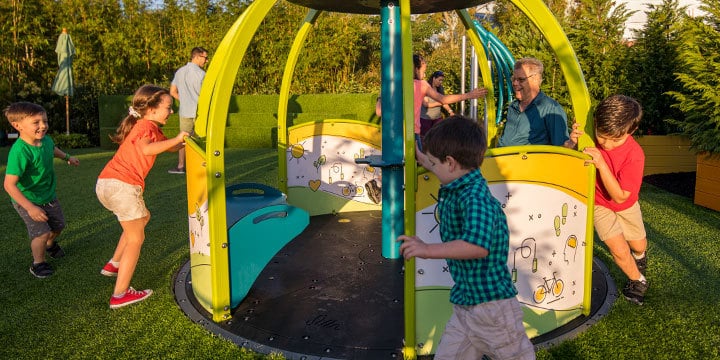
Play isn't just for kids. Learn how to design for adults as well as children.

Create meaningful inclusive designs in limited spaces and with restricted budgets.
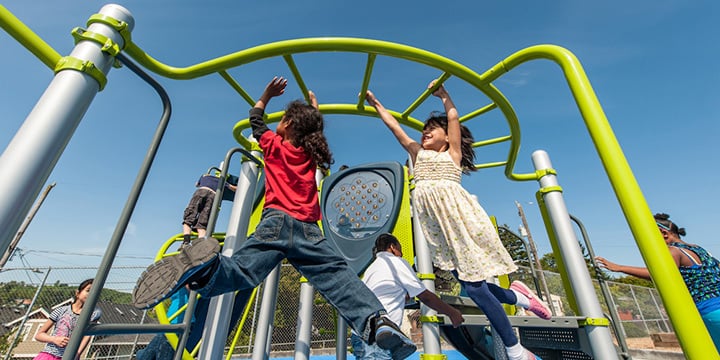
How to design to prevent injuries and maintain a safe play environment.
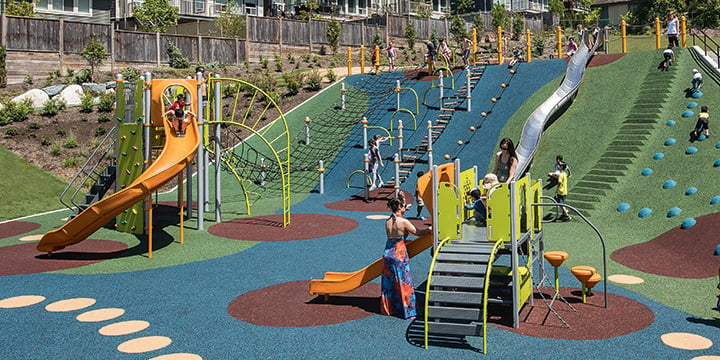
How to design an outdoor experience for today's indoor-oriented world.
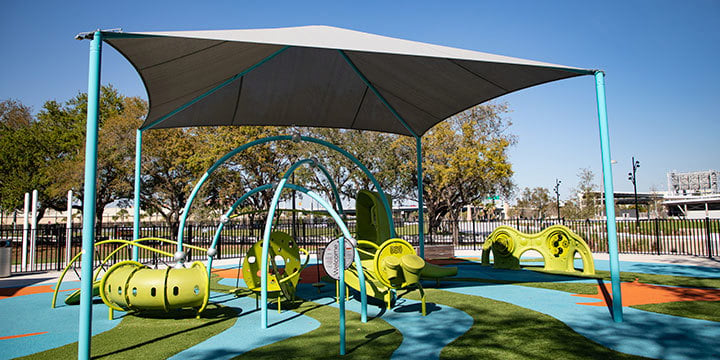
The importance and aesthetics of shade structures in outdoor environments.
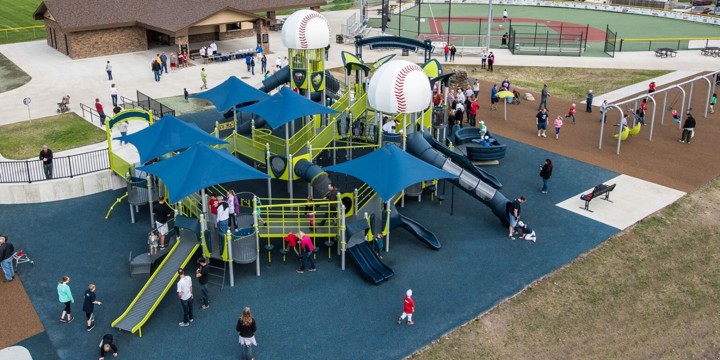
The national pastime should be available to everyone.
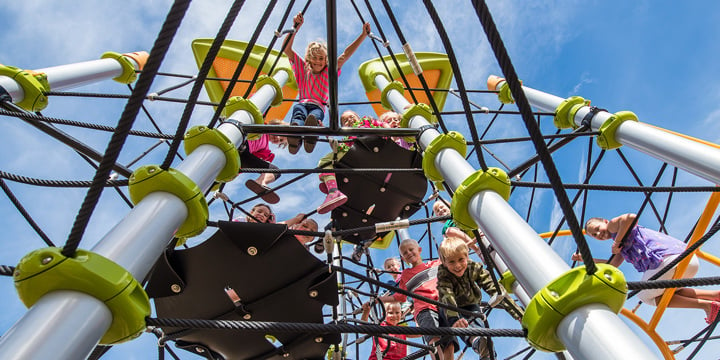
Outdoor exercise structures, circuits and fitness courses for all ages.
 Oops! The Internet Explorer (IE) browser is no longer supported.