See Steve King retell the story of how the concept of Continuous Play came to be by clicking on the video link at right.
By Steve King, FASLA and founder of
Landscape Structures Inc.
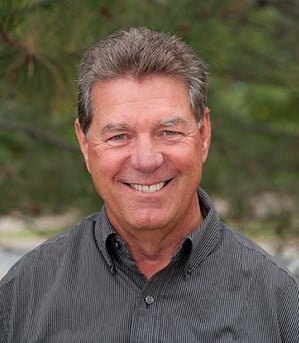
It all started with an aptitude test in 1963. I was a freshman in college and found out I had an interest in the natural environment and art. And one of the suggested career paths was, of course, landscape architecture. I hadn’t heard of the profession and did some additional research. Soon I changed my wildlife management major to landscape architecture, transferring to Iowa State University.
Continuous play is born
Landscape Structures Inc. becomes reality
Growing pains
From wood to metal products
Secrets of success
Value of a landscape architectural profession
Continuous play is born
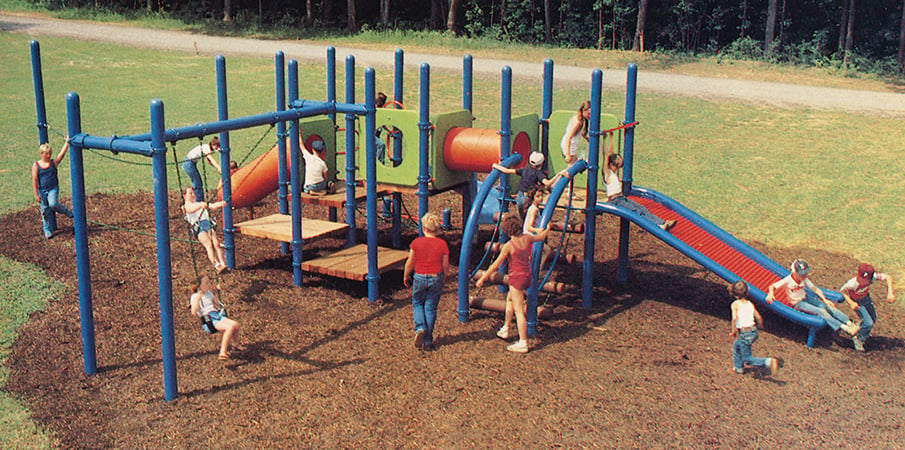
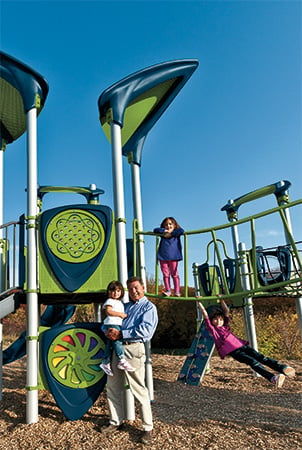
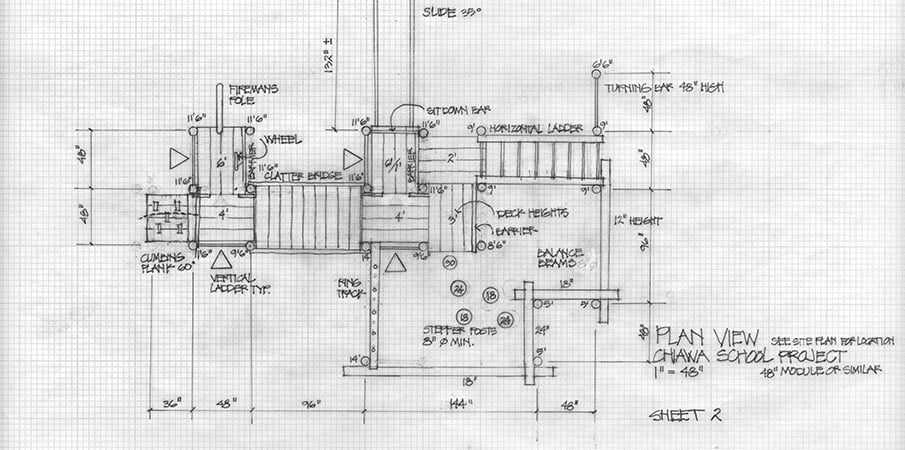
For my design project, I developed a concept of connecting various play components together to form a continuous play opportunity for kids. It was a way of saving space while encouraging decision-making and interaction among kids—an important ingredient in a child’s development. This was quite a contrast to the independent slides, swings and merry-go-rounds of the time.
I got a C+ for the project. I was told it was interesting but not practical. Our projects were supposed to reflect reality.
Back to top
Landscape Structures Inc. becomes reality
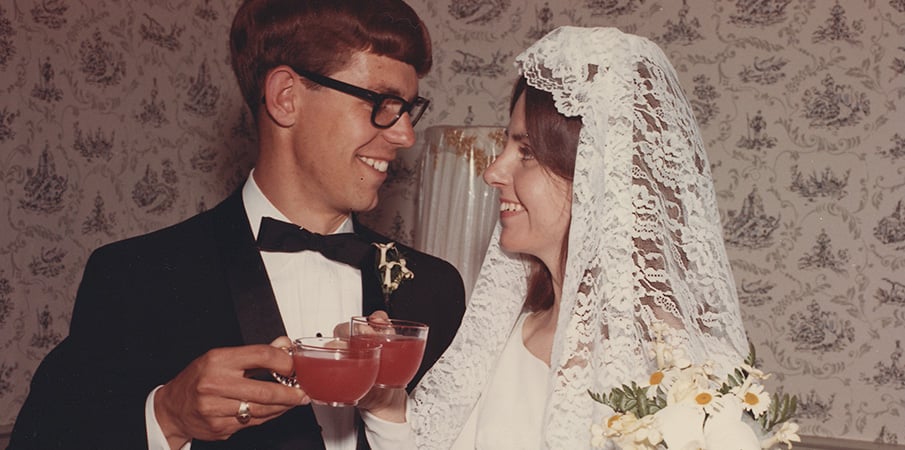
In 1967, after marrying my lovely wife Barbara and graduating, we moved to Minneapolis, where I started working for a planning and engineering firm. Barb, a home economist, started working for Pillsbury. In less than two years, I became the director of park and recreation planning. In less than two years, Barb made the big bucks.
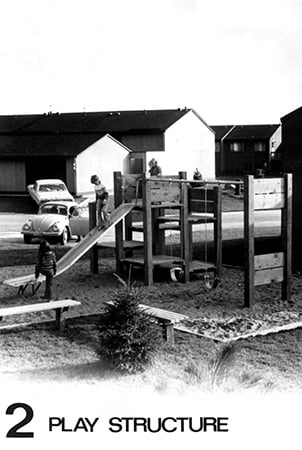
In 1969, the City of Minneapolis finally installed the first wood playstructure based on my continuous play concept. Looking back it was not a very good structure, although the kids liked it. It stood for more than 20 years, but did require a fair amount of maintenance—something the city was not ready to handle. While designing that structure, I developed many ideas and just couldn’t get them out of my head. I started to see the possibilities.
That same year I left my job to start my own site planning firm. Frankly, I was tired of others compromising my designs and wanted to know if my solutions would really work.
One of my clients was a townhouse developer that commissioned me to lay out a new project incorporating three play areas within an open space. While making my presentation to the owner, I told him that if the bid for the construction of the play areas was more than 10 percent of my estimate, I would build it for what I had estimated.
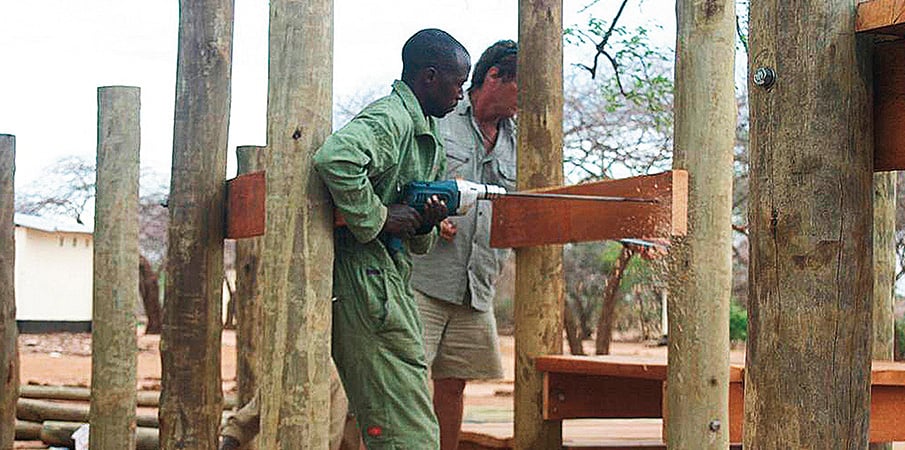
Needless to say, I ended up with three playstructures to build. After borrowing $1000 from the bank to purchase some woodworking equipment and material, we were in the construction business. Did we ever have a lot to learn!
Back to top
Growing pains
Building the playstructures was the easy part; I had put myself through college by working on various construction jobs. But the business side was a new challenge for Barb and I. We quickly realized that banks expect to be paid back, that you need insurance, that hiring people is not a simple act, that credit is not easy to get and that you need an accounting system to track it all.
We eventually got the playstructures built and that was the beginning of a new direction in our lives. Other developers saw our structures and wanted them. Park directors saw them and liked them. We were excited about the opportunities—but very broke.
In 1971, we incorporated Landscape Structures Inc. and started putting our efforts and money into the manufacturing business. This meant selling and designing by day, building and installing by night, frequently putting in 24-hour days. This meant begging for payment upon completion, paying cash for materials and doing it all over again the next day. It meant yard sales, delinquency notices, repossession notices and little sleep. We were “growing ourselves to death.”
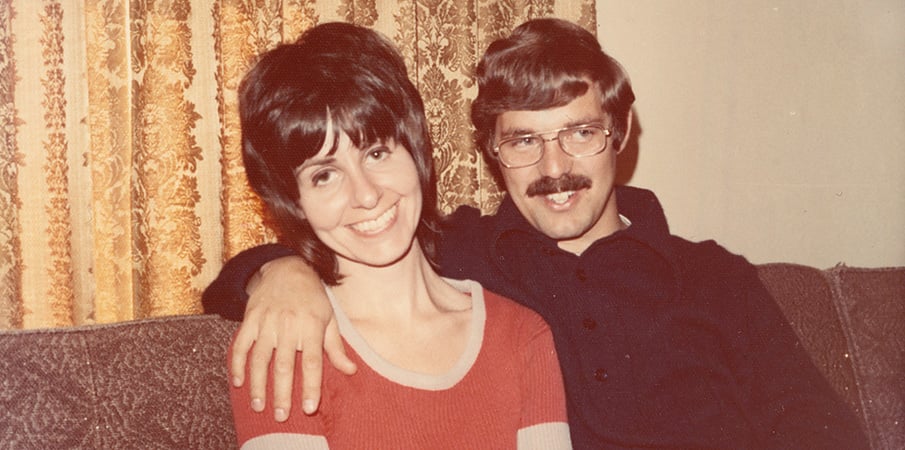
Then, adding to the challenges, in 1972 Barb became pregnant; don’t ask me how. Fortunately, Barb kept her job at Pillsbury and worked evenings at home for Landscape Structures. Her income was the only thing that kept us alive; I certainly wasn’t contributing anything. In 1973, Pillsbury closed Barb’s department. She then became Landscape Structures’ second employee without a salary.
The financial situation became unbearable even after two SBA loans. We then sold half of the business in 1976 to a venture capital organization. I still remember a quote from one of the many bankers that turned us down. “Steve, you have more guts than brains.”
At that point I think he was right. We knew the possibilities; we just didn’t have the money to realize them. We figured 50 percent of something is better than 100 percent of nothing. Since that day we have prospered and eventually bought back their interest in our company—at more than 100 times their original investment.
Back to top
From wood to metal products
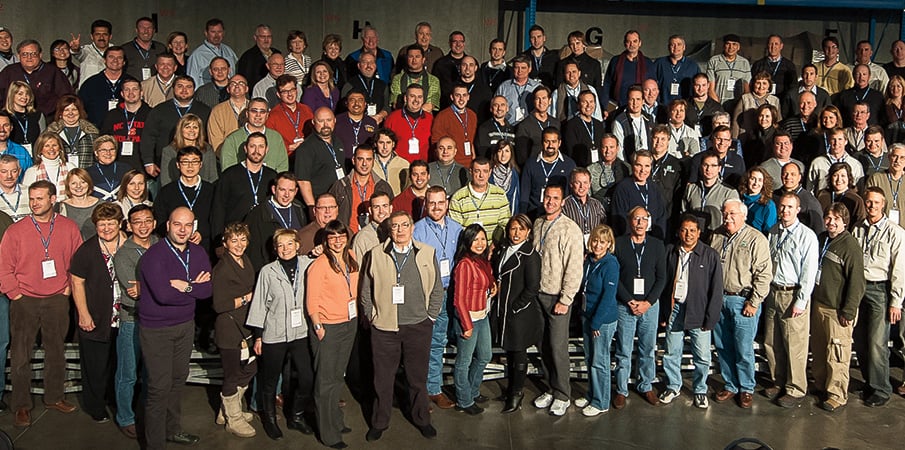
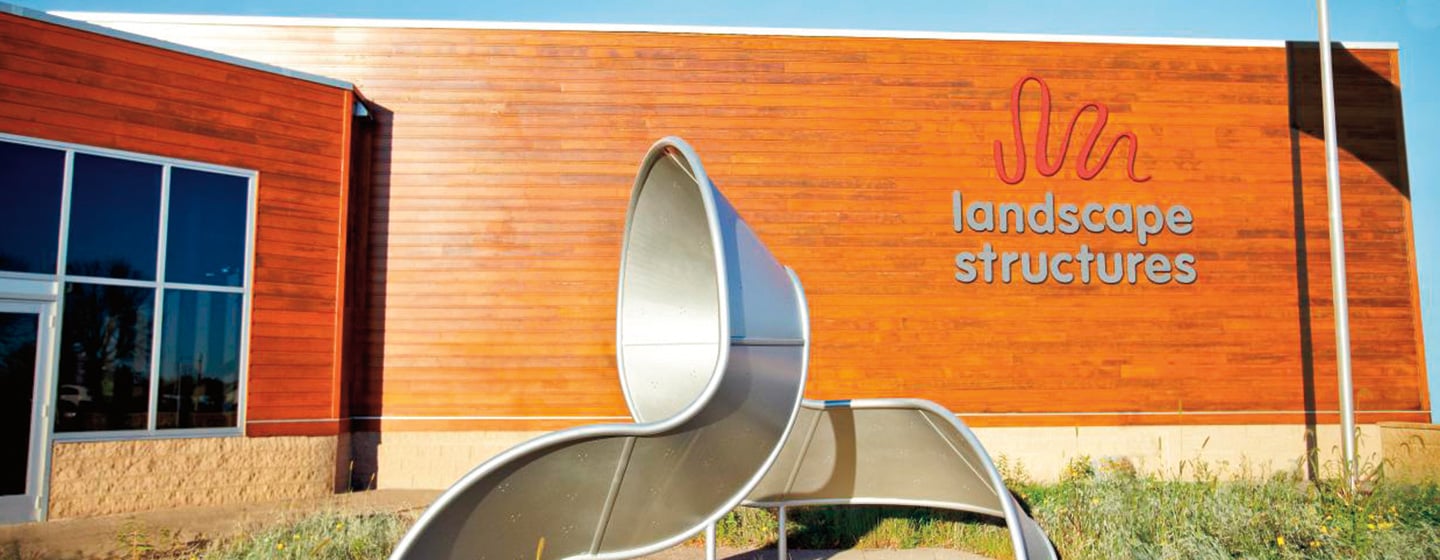
In the early 80s, we knew the market was moving away from wood, so in 1984 we acquired Mexico Forge, a manufacturer of metal play equipment. This acquisition more than doubled our size and put us in a new role as a major player. Today we have more than 300 employees, 340,000 sq.ft. of building space and nearly 200 sales people throughout the world. Our sales last year were nearly $80 million.
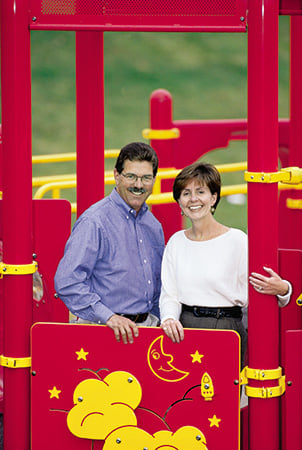
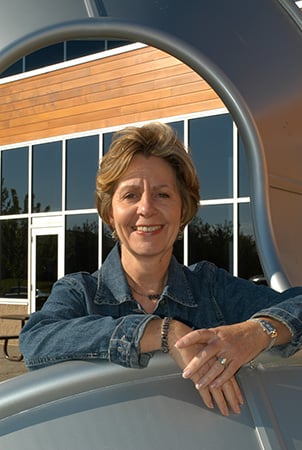
Today, Barb and I still work 10- to 12-hour days and love every minute of it. We can look back at what we have accomplished, and say that none of it would have happened if it weren’t for the way we work together.
Back to top
Secrets of success
Our working relationship has been likened to a computer; it takes both the hardware and software to make it work. I manage the design and engineering parts of the business (the hardware) while she manages the operations and human relations part (the software). We remain committed to each other, our employees, our customers and the industry. We now have a great team of employees that have the same commitment.
If any of you are in the Twin Cities area, I invite you to stop by and tour our state-of-the-art facilities and meet some of the people that make it work.
Back to top
Value of a landscape architectural profession
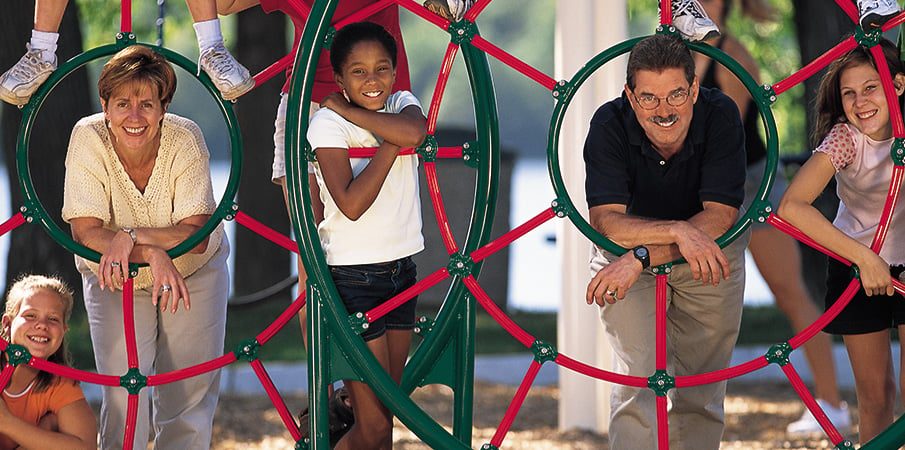
As a landscape architect, I still can do what I love to do and that is design. I’m not happy unless we introduce 10 to 20 new products every year. I also have the luxury of spending time educating others about playground safety and accessibility as well as helping set standards for both. Landscape Structures has brought many new innovative products and processes to this industry; I am proud to have been a part of it.
For me, landscape architecture has been a wonderful profession. I solve problems by designing functional play environments that contribute to the development of children. I get to do it while working with other landscape architects from around the world. We consider landscape architects a major customer group and support the profession in many ways. It has been a fun and exciting ride.
For more information, contact Landscape Structures Inc, 601 7th Street South, Delano, MN 55328; 1-888-4FUNLSI.
Back to top